How Hydration Boosts Recovery and Energy Levels
- Jude Cashier
- Oct 12, 2025
- 5 min read

Staying hydrated is often overlooked, yet it plays a crucial role in our overall health. Many people do not realize how much hydration impacts recovery and energy levels. Whether you are an athlete, a busy professional, or someone who enjoys an active lifestyle, understanding the importance of hydration can help you feel better and perform at your best.
In this post, we will explore how hydration affects recovery and energy levels. We will discuss the science behind hydration, the signs of dehydration, and practical tips to ensure you stay hydrated throughout the day.
The Science of Hydration
Water makes up about 60% of our body weight. It is essential for various bodily functions, including temperature regulation, joint lubrication, and nutrient transport. When we are dehydrated, our bodies cannot function optimally.
Research shows that even mild dehydration can lead to fatigue, decreased concentration, and reduced physical performance. For athletes, this can mean slower recovery times and diminished energy levels during workouts.
Hydration is not just about drinking water. It also involves consuming foods with high water content, such as fruits and vegetables. Foods like watermelon, cucumbers, and oranges can contribute significantly to your daily hydration needs.
Signs of Dehydration
Recognizing the signs of dehydration is crucial for maintaining optimal hydration levels. Here are some common symptoms to watch for:
Thirst: This is the most obvious sign. If you feel thirsty, your body is already signaling that it needs more fluids.
Dark Urine: If your urine is dark yellow or amber, it may indicate dehydration. Ideally, urine should be light yellow.
Fatigue: Feeling unusually tired or sluggish can be a sign that you need to drink more water.
Headaches: Dehydration can lead to headaches or migraines in some individuals.
Dry Skin: If your skin feels dry or less elastic, it may be a sign that you need more fluids.
Being aware of these signs can help you take action before dehydration affects your performance or recovery.
Hydration and Recovery
For athletes and active individuals, hydration is vital for recovery. After intense workouts, your body needs to replenish lost fluids. Here’s how hydration aids recovery:
Muscle Repair: Water helps transport nutrients to muscles, which is essential for repair and growth after exercise.
Reduced Muscle Soreness: Staying hydrated can help reduce muscle soreness and stiffness after workouts.
Improved Circulation: Proper hydration supports blood circulation, which is crucial for delivering oxygen and nutrients to recovering muscles.
Enhanced Joint Function: Water lubricates joints, reducing the risk of injury and improving overall mobility.
To optimize recovery, aim to drink water before, during, and after exercise. Sports drinks can also be beneficial for longer workouts, as they provide electrolytes that help maintain hydration levels.
Hydration and Energy Levels
Hydration is closely linked to energy levels. When you are dehydrated, your body has to work harder to perform basic functions, which can lead to fatigue. Here are some ways hydration impacts energy:
Cognitive Function: Dehydration can impair cognitive function, leading to decreased focus and concentration. This can affect your performance at work or during workouts.
Physical Performance: Even mild dehydration can lead to a decline in physical performance. You may find it harder to complete your workout or feel more fatigued than usual.
Mood Regulation: Studies have shown that dehydration can negatively affect mood, leading to feelings of irritability or anxiety. Staying hydrated can help maintain a positive outlook.
To keep your energy levels high, make hydration a priority. Carry a water bottle with you throughout the day to remind yourself to drink regularly.
Practical Tips for Staying Hydrated
Staying hydrated does not have to be complicated. Here are some practical tips to help you maintain optimal hydration levels:
Set Reminders: Use your phone or a hydration app to set reminders to drink water throughout the day.
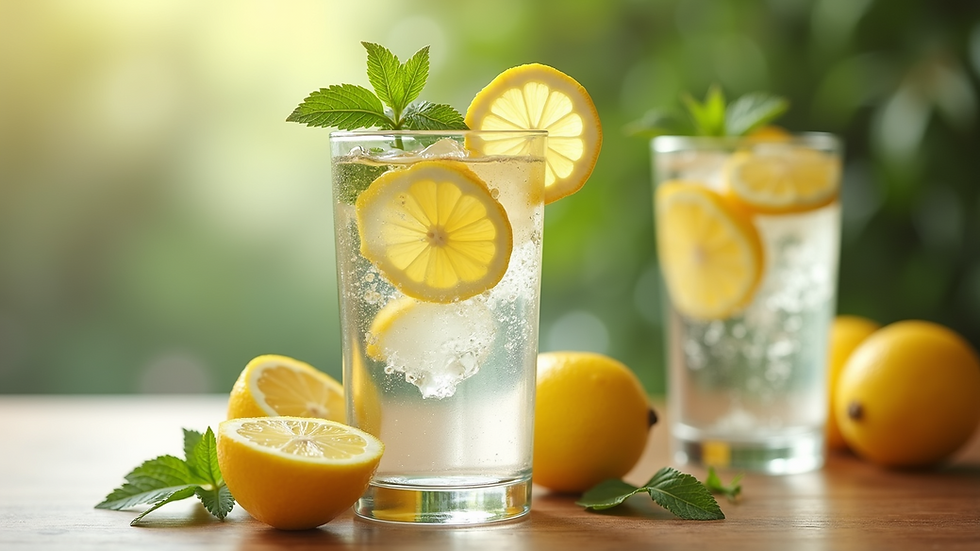
Infuse Your Water: If plain water is not appealing, try infusing it with fruits or herbs. Lemon, mint, and berries can add flavor and make drinking water more enjoyable.
Eat Hydrating Foods: Incorporate fruits and vegetables with high water content into your meals. Salads, smoothies, and soups are great options.
Drink Before You Feel Thirsty: Make it a habit to drink water regularly, even if you do not feel thirsty. This can help prevent dehydration.
Monitor Your Urine Color: Keep an eye on the color of your urine. Aim for a light yellow color to ensure you are adequately hydrated.
Adjust for Activity Levels: If you are exercising or spending time in hot weather, increase your fluid intake to compensate for the extra loss of water.
By following these tips, you can make hydration a seamless part of your daily routine.
The Role of Electrolytes
While water is essential for hydration, electrolytes also play a significant role. Electrolytes are minerals that help regulate fluid balance in the body. Common electrolytes include sodium, potassium, calcium, and magnesium.
When you sweat, you lose not only water but also electrolytes. This is why it is important to replenish them, especially after intense workouts. Here are some ways to maintain electrolyte balance:
Sports Drinks: For prolonged exercise, consider consuming sports drinks that contain electrolytes. They can help replace lost fluids and minerals.
Electrolyte Tablets: If you prefer not to drink sports drinks, electrolyte tablets can be added to water for a quick boost.
Natural Sources: Foods like bananas, spinach, and yogurt are rich in electrolytes. Incorporating these into your diet can help maintain balance.
Understanding the role of electrolytes can enhance your hydration strategy and improve recovery and energy levels.
Hydration Myths Debunked
There are many myths surrounding hydration that can lead to confusion. Here are a few common misconceptions:
Myth 1: You only need to drink water when you are thirsty: Thirst is a late indicator of dehydration. It is better to drink water regularly throughout the day.
Myth 2: All fluids are equally hydrating: While all fluids contribute to hydration, water is the best choice. Sugary drinks and caffeine can lead to dehydration.
Myth 3: You can hydrate with food alone: While foods can contribute to hydration, they should not replace drinking water. Aim for a balance of both.
By debunking these myths, you can make more informed choices about your hydration habits.
The Bottom Line
Hydration is a key factor in recovery and energy levels. By understanding the importance of staying hydrated, recognizing the signs of dehydration, and implementing practical tips, you can enhance your overall well-being.
Remember, hydration is not just about drinking water. It involves a holistic approach that includes consuming hydrating foods and maintaining electrolyte balance.
Make hydration a priority in your daily routine, and you will likely notice improvements in your energy levels and recovery times.
Incorporating these practices into your life can lead to better health and performance. So, grab that water bottle and start hydrating today!


Comments